
Types of Hobs: Stainless Steel Gas, Glass, Ceramic, Stone and Induction — Which Suits You?

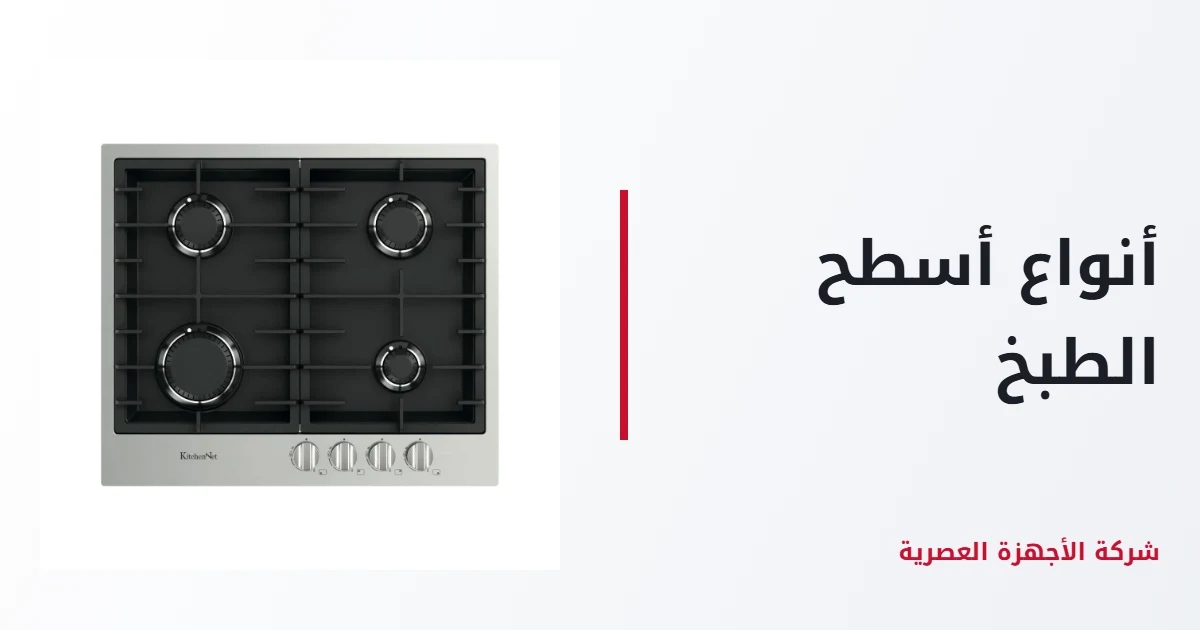
Built-in hobs are no longer just one type. Today you'll find several materials and heating systems, each used differently. In this article we explain the Types of Hobs most common in Saudi kitchens, and what suits each type.
1. Stainless Steel Gas Hob
The most common in homes. Its surface is stainless steel, and it handles heavy daily use and large pots.
- Advantages: Durable, affordably priced, and minor scratches aren't very noticeable.
- Notes: Water spots and grease show on it, and it needs regular cleaning to keep its shine.

2. Glass Gas Hob
The same idea as a gas hob, but the surface is tempered glass (usually black), giving the kitchen an elegant, modern look.
- Advantages: A luxurious look, and easier to clean than stainless steel.
- Notes: Avoid dropping heavy pans on it, and use non-abrasive cleaners.
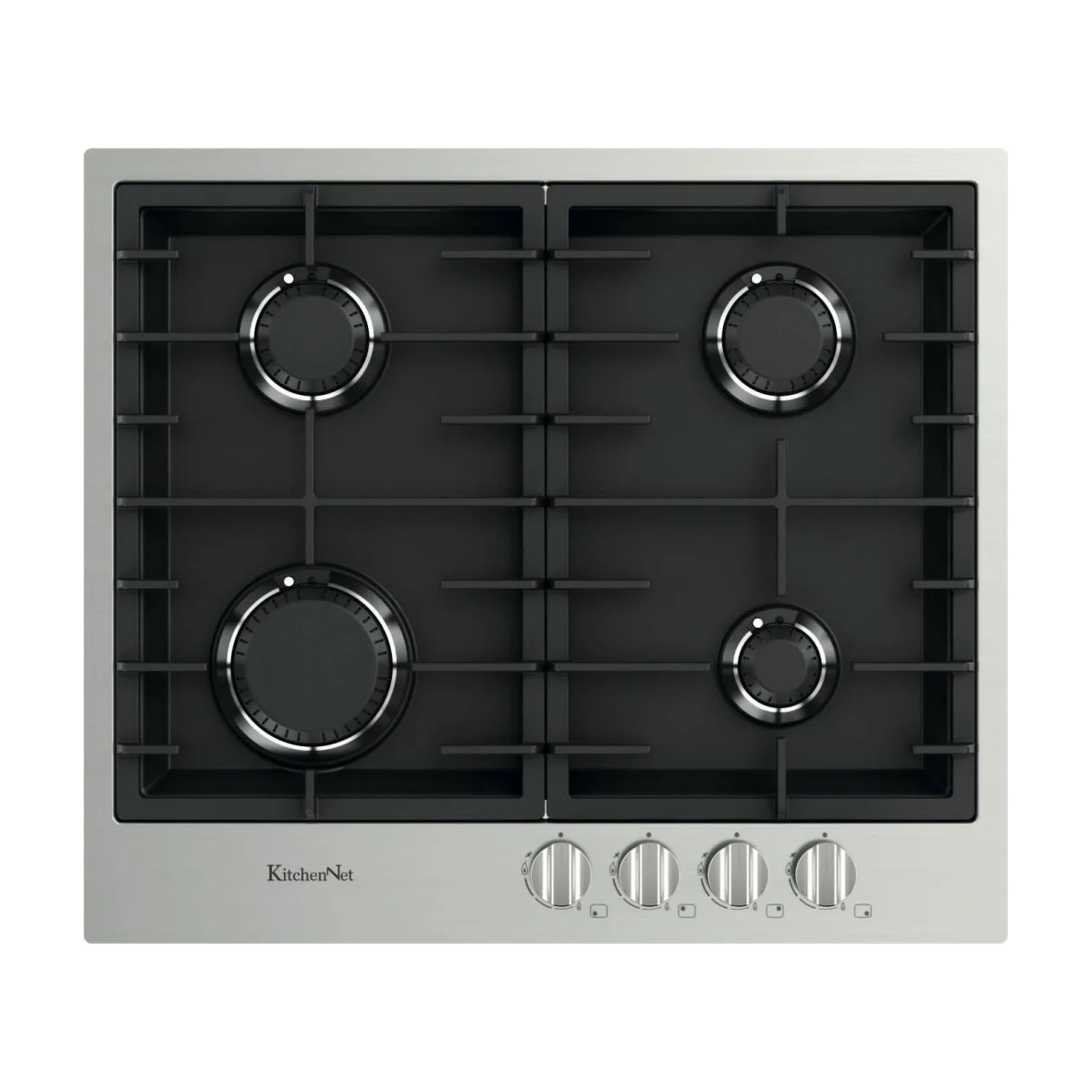
Browse glass gas hobs.
3. Ceramic Electric Hob
A smooth glass surface with electric heating elements underneath. Suitable for apartments without gas and for anyone who likes a tidy kitchen.
- Advantages: Very easy to clean, and works with most flat-bottomed cookware.
- Notes: It stays hot for a while after switching off, so most models have a residual heat indicator.
4. Electric Hotplate Hob
Uses solid metal heating plates. An economical, practical and durable choice.
- Advantages: Robust and hard-wearing, and usually cheaper.
- Notes: Slower to heat up and cool down compared with newer types.

Browse electric hotplate hobs.
5. Induction Hob
The newest type of electric hob. It heats the pot itself directly through a magnetic field, so heating is very fast and the surface stays cooler.
- Advantages: High speed, precise control and greater safety.
- Notes: Needs cookware with a magnetic base, and costs more than ceramic.

6. Combined Hobs (Gas + Electric)
Combine gas burners with electric zones (ceramic or hotplate), giving you complete cooking flexibility.
See gas + electric hobs.
How to Choose the Right Type
- Do you cook a lot at high heat? Choose gas (stainless steel or glass).
- No gas in the apartment? Ceramic or induction.
- Want the easiest cleaning? Ceramic, induction or glass gas.
- On a tight budget? Stainless steel gas or electric hotplate.
For a detailed comparison of gas and electric, also read: Gas or Electric Hob?
Frequently Asked Questions
Does a glass hob break easily?
The glass used in hobs is tempered and designed to withstand heat and daily use, but strong impacts and dropping heavy pans should be avoided.
What's the difference between ceramic and induction?
Ceramic heats the surface and the heat then passes to the pot, while induction heats the pot directly, so it's faster and more efficient.
Conclusion
There's no “best” type for everyone; the best is what suits your cooking style and your kitchen. Browse all hobs in our store, and contact us if you need help choosing.